What's Everyone Talking About Patio Outdoor Gas Heater Today
Patio Outdoor Gas Heater A patio gas heater is a simple, easy-to-use way to add heat and ambience to your outdoor space. These heaters use liquefied petrol gas (LPG) to create radiant heat that enlarges the area around them in a similar manner to sunlight. Propane patio heaters require a refillable tank. Safety Gas patio heaters are getting more popular for heating patios and other areas of open space in restaurants and homes. These devices are convenient and comfortable, but they can also pose security risks if not maintained or used in a safe manner. Always read the manufacturer's instructions and adhere to all applicable laws and regulations when using a gas-powered patio heater. Gas patio heaters can heat outdoor areas up to 215ft2 and are an ideal option for large, well-ventilated areas. Many models have a timer and remote control for simple operation. Natural gas patio heaters require connection to a home's gas line, while portable propane models can be operated by an internal propane tank. In the initial setup it is important to ensure that all connections are secure and free of leaks. This can be accomplished by applying a soapy water solution to the gas tank and hose connections. If bubbles appear or you smell gas, shut off the heater and tighten the connections. It's also a good idea to have your gas heater serviced by a professional prior to use. Do not leave a patio heater unattended or near combustible items, such as curtains, furniture, and rugs. The intense heat of the gas-powered patio heater could cause fires. Keep flammable materials at least three feet from the heater, and never place it on a sloping surface. Make sure your gas-fired patio heater has a tip-over switch which will stop the flow of gas if it tilts more than 15 degrees from its vertical position. This feature is especially useful for patios that are exposed to wind which could cause the heater to tip. Carbon monoxide detectors make a wonderful addition to any patio. They will alert you when harmful levels of carbon monoxide are detected. Carbon monoxide poisoning is a severe condition that can lead to headaches, dizziness, and fainting. It's therefore important to check and maintain the detector regularly. A patio outdoor gas heater should be stored inside or in an enclosed area when not in use. Leaving it out in the elements can cause the unit to experience issues over time, including rust and fuel lines that are blocked. It is also recommended to cover your patio heater when it's not in use to guard it from insects and other debris. Installation is simple Patio heaters can help keep outdoor living areas warm and inviting when temperatures drop. They're a simple and inexpensive method to prolong the time you can spend in your garden, backyard or other outdoor spaces. There are many gas patio heaters to consider, including free-standing and tabletop units. Depending on your needs and the size of your space you can choose from propane or natural models, and even one with decorative stones, hammered bronze or wicker finish. It is important to know how much heat is required to accommodate the amount of guests you usually entertain before deciding on a style. This will help you determine how powerful of the patio heater you need to purchase and what fuel type is most appropriate for your space. You can determine the number of BTUs required by multiplying your area's cubic footage by a 23 degree rise in temperature. If your outdoor space is well ventilated, a natural gas patio heater might be the perfect choice for you. They plug directly into your home's existing natural gas line and are cheaper to run than propane models. They're not as easily transportable, and require extension hoses, which can be a danger to walk on when not in use. Many homes can also benefit from a propane-powered patio heater. They have a remarkable heating capacity of up to 250 sq. feet. and offer a range of safety features. These include an anti-slant design that turns off the burner if the unit is tilted more than 47 degrees. These models have a built-in gauge for the level of propane in the tank and adjustable flame settings to accommodate various seating configurations. Another popular outdoor patio heating option is a gas fire pit, which provides the warmth and ambience of a traditional wood-burning fire with the added benefit of being hygienic efficient, easy to use and simple. They are available in a wide range of styles and are used for cooking, entertaining and relaxing. Some have a protective cage that shields pets and children from burns. Others feature an internal spark igniter for quick lighting. Convenience A patio outdoor gas heater allows you to extend your use of a deck or balcony into the winter. Radiant heat is used to warm the air. The unit uses a burner to burn natural gas, liquefied gas or other fuels and sends the flame to the hood, which is reflective. The hood is silvered in order to reflect heat upward. You can choose from a wide range of sizes and models based on the amount of heat you want and the number of people sitting around the heater. Some models include an electric ignitor that makes it easy to light the flame. Others require you to use a lighter, such as the barbecue lighter or match. If gas patio heaters near me are using a gas patio heater, it is important to keep a fire extinguisher in the vicinity in case of an accident. 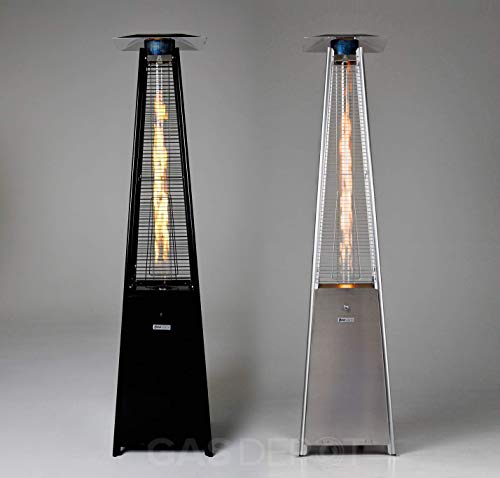 Each model has a specific BTU rating that relates to its capacity to heat an area. Generally speaking, the greater the square footage you want to warm, the higher the BTU rating should be. If you are unsure you should consult the manufacturer's specifications. Propane patio heaters are a very popular choice because they are easily accessible at many gas stations and convenience stores. The disadvantage is that you have to purchase individual tanks and the cost is more than an electric patio heater or natural gas patio heater. You can install a gas furnace either overheard or attached to the wall. If you choose the alternative, a professional installer will have to connect a natural gas line to your main gas or water supply. gas patio heaters near me of outdoor heating is also ideal when you reside near the ocean because it can withstand corrosion and harsh conditions. Remember to place your heater on a flat surface. Placing it on an incline can cause the heater slide over, causing a fire or burn hazard. It is also crucial to regularly check for gas leaks by applying a soapy water solution to all connection points. If you notice bubbles appearing at any point, switch off the heater immediately and call a professional to repair the problem. Cost There are a variety of options to heat your outdoor space, from gas patio heaters to fire pits and more. The kind of heater you pick will depend on several aspects, including the amount of heat you need and the ambience you desire. If you're looking for a cost-effective option that can keep your guests warm without breaking the bank, an electric patio heater might be the right option for you. They are easy to set up and operate and do not require professional installation. Natural gas patio heaters, on the other being permanent fixtures that can be connected directly to your home's natural gas line. They can provide a wide variety of heat. They do not require propane tanks, which means you can host events without having to worry about running out. A chimenea can be an affordable option for those who want traditional fireplaces that burn wood. These heaters usually have a burner that burns either natural gas, LPG or propane and employs a reflector to channel the heat toward the patio area. The open flame can cause carbon monoxide poisoning and the risk of fire in enclosed spaces. Portable heaters for patios, both propane and natural gas are available. They can be moved to the ideal location. You can also buy one that's permanently attached to a wall or post that will remain in place, but be sure to get an expert for this type of job. Natural gas patio heaters usually cost more upfront, but they have the benefit of being connected to your home's gas line and removing the requirement for propane tanks. The price of a patio heating unit will also vary based on its size and. You can find cheaper models for as little as $100, while more expensive heaters can cost $500 or more. No matter what model you pick, it's essential to keep your unit in a safe place when it's not being used. This will stop it from developing problems like rusting or clogging and will help extend its life span.